
Portfolio
Below are examples of learning materials I have developed, designed to engage diverse learners effectively. Recognizing that individuals learn in different ways, I prioritize creating dynamic, visually compelling, and adaptable resources that cater to various learning styles, ensuring an inclusive and impactful educational experience.
Videos
Videos are one of my favorite ways to help individuals learn or review information. They appeal to visual learners and engage the auditory and visual cortex or two separate parts of the brain. With more of the brain active in the learning process, individuals have a better chance of learning and retaining information.
Sample 1 is a video on Credit Basics that I created as a supplemental learning material for sales associates and customers.
Tools used: Canva, Powtoons, iMovie, audacity, and Word to create a story board, design the video, edit, and add voiceover.
ELearning
Online learning and eLearning training modules have become a standard for universities and private organizations. These tools can be fun and engage many different learning styles.
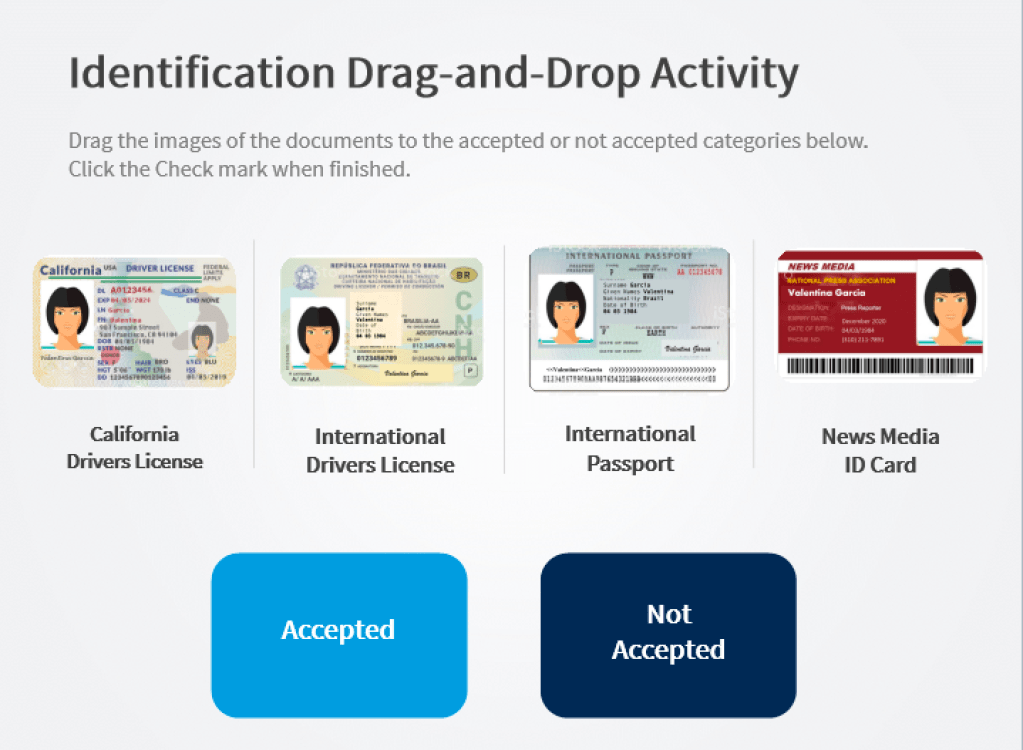
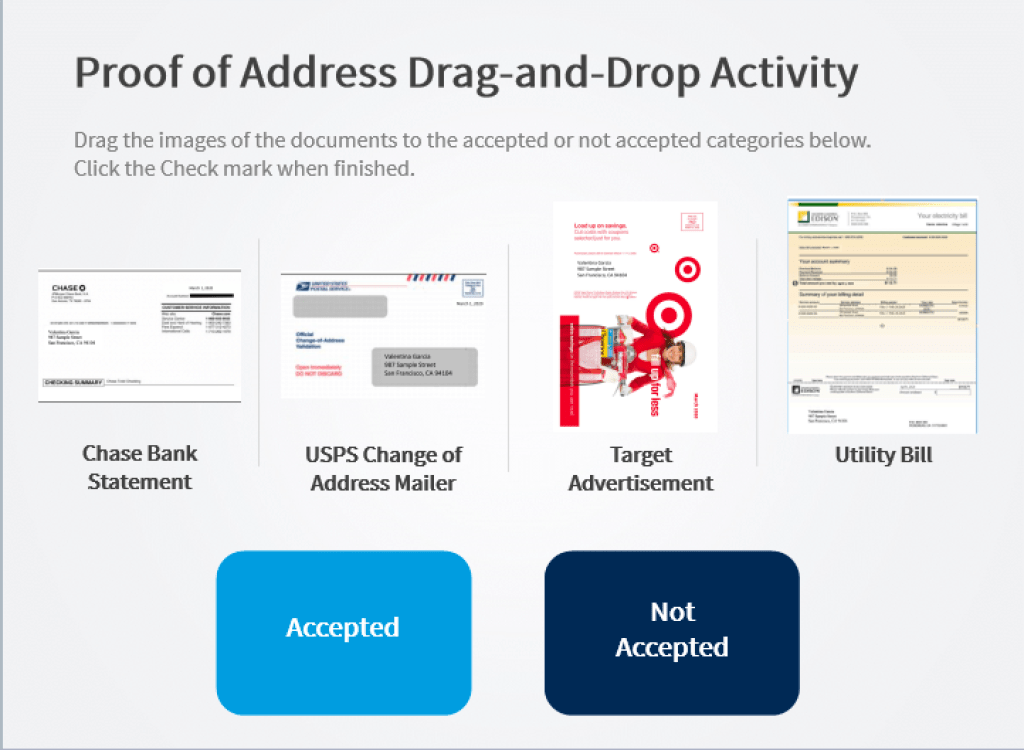
Sample 3 features drag and drop activities I designed, where learners take the information on standards for acceptable identification and proof of address documents and then practice selecting correct document in the activity.
Tools used: Articulate Storyline, Canva, and Word to create a storyboard, design interactive elements, and develop realistic assets such as driver’s licenses and other documents.
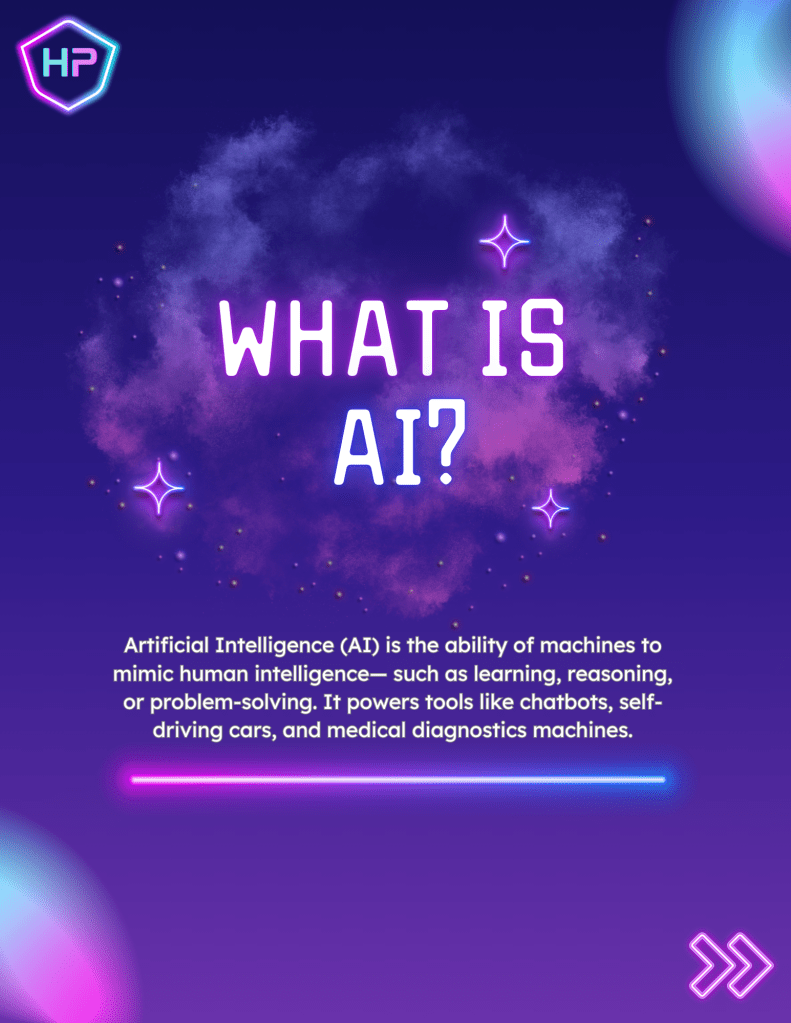
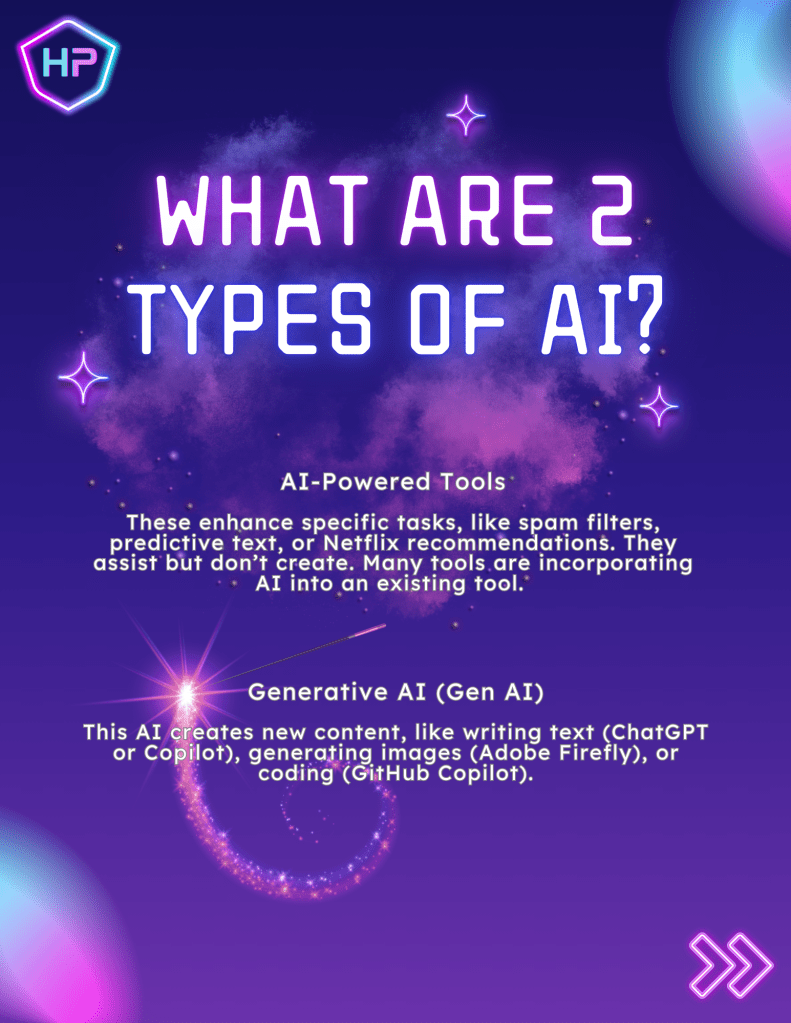
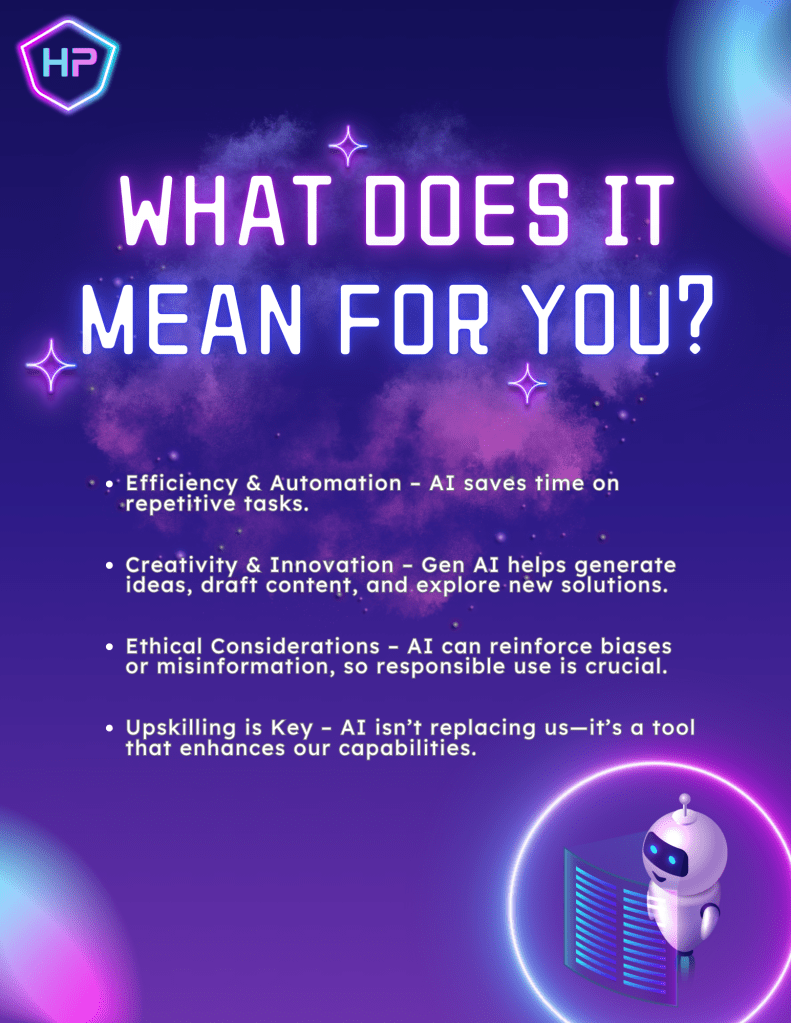
Micro-learning experiences are helping learners to get small bits of information quickly without creating cognitive overload. Sample 4 below shows a simple micro-learning on AI literacy.
Tools used: Canva, Adobe Acrobat, and Word to design a storyboard, create interactive elements, and develop visual assets.

AI Experiences
AI-powered learning enhances adaptive learning and student engagement by personalizing instruction to individual needs. It provides real-time insights, allowing educators to adjust strategies dynamically for better outcomes. Through interactive tools and intelligent tutoring, AI creates a more responsive and inclusive classroom, ensuring every student can learn at their own pace.
Sample 5 shows an AI-powered learning experience where learners practice interacting wth healthcare providers who have concerns about the organization rolling out a new telehealth program. As the healthcare administrator and program sponsor the learner has to use their knowledge in change management to help dispel concerns.
Tools used: Webdam for stock images, Word for storyboarding, ChatGPT for prompt engineering and content generation, change management training data for model refinement, and custom code to design a tailored user interface for the AI-powered learning experience.
 Heather Pelkie